|
The benefits of regular physical
activity
(JAMA ) 03/02/2003
Whether it is recreational or competitive, physical
activity is essential and benefits total health throughout life.
As you become more physically fit, your overall health begins to
improve as well.
Regular exercise has an extensive list of benefits.
Some of these benefits include:
· Aids in the prevention of disease- Physical
inactivity can lead to a number of degenerative diseases such as
diabetes; regular exercise can help delay and even prevent the onset
of chronic illnesses.
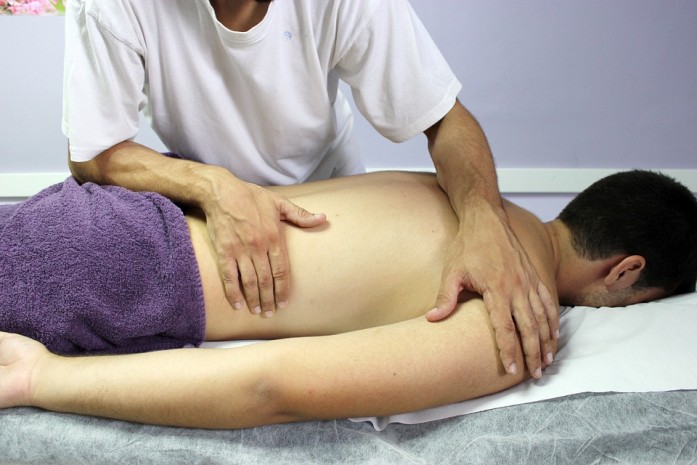
· Helps treat injury- Exercise is used
to treat physical limitations through exercise, stretching, and
conditioning.
· Promotes restful sleep- Those who participate
in regular exercise tend to be more relaxed and burdened with
less stress.
· Promotes optimal body composition- When
participating in regular physical activity you use up more calories;
therefore decreasing the likeliness of gaining unhealthy weight.
· Optimal bone density-Weight-bearing exercise
helps to build and strengthen bones thus reducing your risk of
developing osteoporosis.
· Strengthens circulation and lung function-Aerobic
exercise helps to strengthen the heart and lungs and helps to
lower your risk of cardiovascular disease.
· Promotes self-confidence and decreases
depression-Setting and achieving your goals help increase self
image and can promote positive well-being.
Choosing the right exercise
How do you know which activity is right for you?
You should always choose an activity that fits your lifestyle, any
physical limitations and of course that you enjoy. There are two
types of exercise: aerobic and anaerobic.
Aerobic exercise- Aerobic exercises are those that
help to reduce fat, these include walking, running, swimming and
bicycling. Aerobic exercise increases the heart rate and breathing
becomes heavier. After about 20 minutes of aerobic exercise, the
body begins to use its stored fat as fuel, hence the phrase "burning
fat". Regular aerobic exercise raises your body's metabolism
and enables your body to use more calories, even when you are at
rest.
Anaerobic exercises- Anaerobic exercises help you to develop stronger
muscles. These exercises involve short bursts of force followed
by periods of rest and include push-ups, crunches, pull-ups and
weight lifting.
Anaerobic exercise does not burn fat like aerobic
exercise, but helps to build muscle. An increase in muscle mass
complements aerobic exercise by enabling you to use more calories.
|